

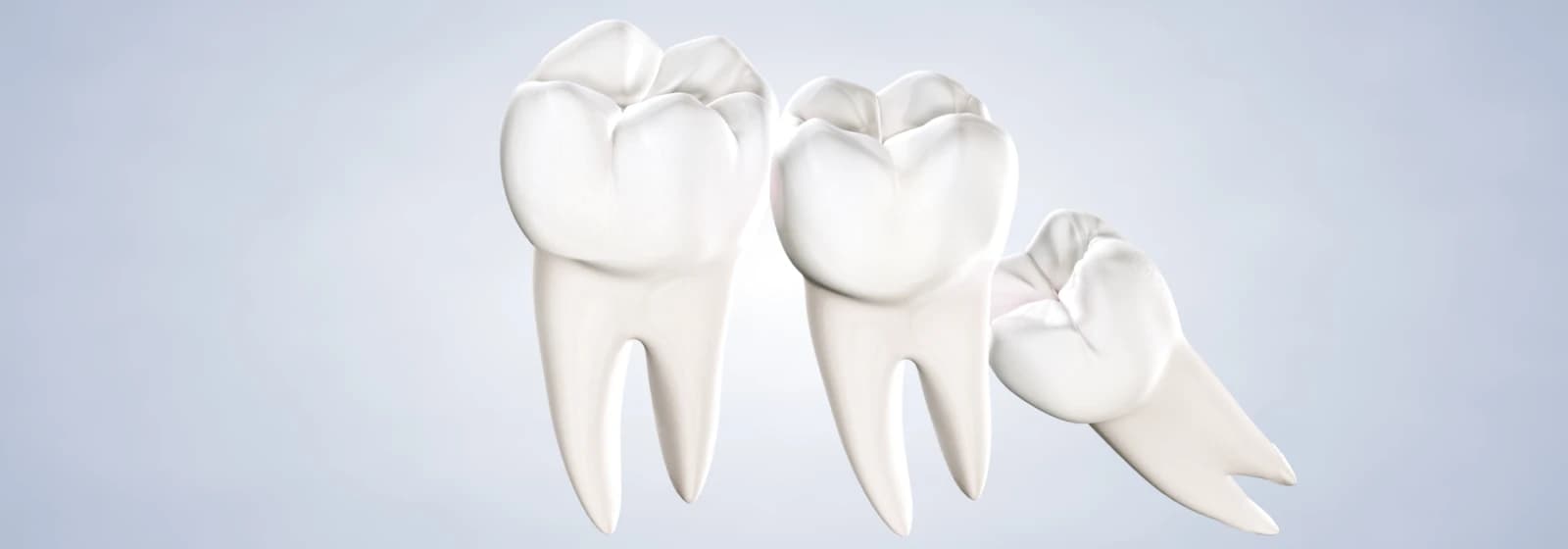
Wisdom teeth are the third molars at the back of your mouth. They usually come in between the ages of 17 and 21, according to the American Dental Association’s MouthHealthy site. Some people never have a problem with them. Others need them removed. At Lubbock Dental Specialists, our oral surgery team evaluates your wisdom teeth and helps you decide whether removal makes sense and when.
Why Wisdom Teeth Can Cause Problems
Problems start when there is not enough room for wisdom teeth to come in, or when they come in at the wrong angle. A tooth that is trapped under the gums or in the jawbone is called impacted. The ADA lists several concerns with wisdom teeth that are not positioned well:
- Food can get trapped around them, which gives cavity-causing bacteria a place to grow.
- They can be hard to floss around, along with the molar next to them.
- A partly erupted tooth can let bacteria into the gums, which can lead to infection, pain, swelling, and jaw stiffness.
- An impacted tooth can form a cyst that may damage nearby tooth roots or the bone that supports your teeth.
Having them looked at early gives you more options.
When Wisdom Teeth May Need to Come Out
The ADA says wisdom teeth may need to be removed when there is pain, infection, cysts, tumors, damage to neighboring teeth, or gum disease. Cleveland Clinic adds that dentists sometimes recommend removal preventively, before issues have a chance to develop. Every patient is different, so removal is a decision you make with your surgeon after an exam.
Signs It May Be Time for an Evaluation
Wisdom teeth do not always cause obvious symptoms at first. Contact us if you notice any of these:
- Red or swollen gums, or gums that bleed easily
- Jaw pain or swelling
- Pain or pressure in the back of your mouth
- Ongoing bad breath or an unpleasant taste
- Difficulty fully opening your mouth
- A wisdom tooth you can see poking through the gums
Regular dental exams matter here. Your dentist checks on your wisdom teeth and can refer you to an oral surgeon when it is time.
What to Expect at Your Visit
At your first visit, our team takes 3D scans, examines your oral health, and designs a treatment plan for you. We also help you choose the right type of anesthesia. You can read more about your first visit.
On the day of your procedure, we give you anesthesia and wait for it to take effect. For a tooth that has come through the gums, your surgeon uses forceps to remove it. For an impacted tooth, your surgeon makes an incision in the gum tissue to reach it. Sometimes a large tooth is broken into smaller pieces to make removal easier. Sutures are placed as needed. Cleveland Clinic says wisdom tooth removal usually takes an hour or less, though complex cases can take longer.
Anesthesia and Sedation Options
- Local anesthesia. A numbing medicine is injected into the treatment area.
- Nitrous oxide. A gas you breathe through a mask. It has a sedative effect and is often combined with other options.
- IV sedation. Given through a vein. It leaves you semi-conscious and relaxed, and you may drift in and out of sleep. IV sedation is often used for wisdom tooth removal.
- General anesthesia. You are unconscious and unaware of the procedure. It is often reserved for complex or lengthy procedures, or for patients with medical conditions, high anxiety, or special needs.
Cleveland Clinic says that if you receive a sedative, you will not be able to drive for at least 24 hours, so plan to have someone take you home. Ask us whether you need to fast beforehand, because instructions depend on the type of sedation.
Recovery After Wisdom Tooth Removal
Expect some discomfort, slight bleeding, and swelling. Your surgeon will give you instructions for your situation, and our post-operative instructions cover what to do at home. Cleveland Clinic offers these general tips:
- Rest, and plan to stay home for at least three to five days. Physically demanding jobs may need more time.
- Use a wrapped ice pack on your face for 20 minutes on and 20 minutes off to help with swelling.
- Do not drink through a straw. It can dislodge the blood clot and cause a painful dry socket.
- Skip carbonated and alcoholic drinks for at least five days, and do not exercise or lift heavy things until your surgeon says it is okay.
- Keep brushing and flossing your other teeth, and avoid brushing over the extraction sites.
Cleveland Clinic says full recovery takes about two weeks, and it may take several weeks for the socket to heal. Call us if you have concerns during recovery.
What Does Wisdom Tooth Removal Cost?
The cost depends on how many teeth are removed, the anesthesia you choose, your insurance, and how complex the procedure is. We provide a cost estimate at your first visit and explain your payment and financing options.
Frequently Asked Questions
At what age do wisdom teeth come in?
The ADA says they usually appear between ages 17 and 21.
Do all wisdom teeth have to come out?
No. Removal is recommended when there is a problem or a likely one. Your surgeon will go over your scans with you.
How long does the procedure take?
Cleveland Clinic says it usually takes an hour or less, and complex cases may take longer.